top of page

Why Are Buck Converters So Important in Modern Power Electronics?

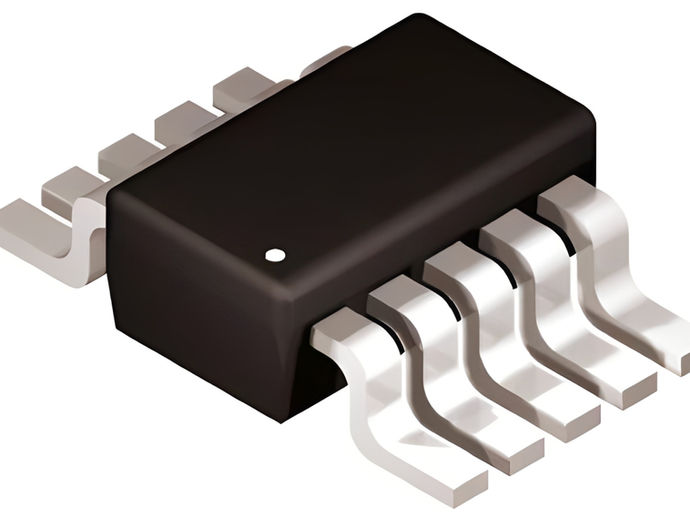
Modern electronic devices depend on precise voltage control to operate safely, efficiently, and reliably. Many systems receive power at a voltage that is higher than individual components can use, creating the need for an efficient method of stepping that voltage down. This is where buck converter technology becomes especially valuable. A buck converter is a type of switching power supply designed to reduce DC voltage while maintaining efficient energy transfer. It is widely

Why Are Voltage References So Important in Modern Electronic Systems?

Precision electronics depend on stable electrical conditions. Whether a circuit is measuring temperature, converting analogue signals, monitoring battery voltage, or controlling industrial equipment, even a small variation in reference voltage can affect the accuracy of the final result. This is why voltage references play such an important role in modern circuit design. A voltage reference provides a known and highly stable voltage that other parts of a circuit can use as a

How Do Analogue Front End ICs Improve Signal Accuracy?

Analogue Front End ICs are essential building blocks in systems that need to capture, condition, and interpret signals from the physical world. Before a microcontroller, processor, or digital signal processor can work with data from a sensor, that signal often needs to be amplified, filtered, adjusted, or converted. This is where an analogue front end becomes valuable. These integrated circuits are widely used in industrial equipment, healthcare electronics, battery systems,

How Do Digital Transistors Simplify Modern Electronic Circuit Design?

Digital transistors have become an important part of modern electronics because they combine transistor switching capability with built-in resistive elements inside a single compact package. This design helps engineers reduce the number of external components required in a circuit, making electronic systems smaller, cleaner, and easier to manufacture. In many digital circuits, conventional transistors need separate resistors to control base current and ensure stable switching

Why Are TRIACs Essential for Modern AC Switching and Power Regulation?

Controlling alternating current efficiently is a major requirement in modern electrical and electronic systems. From adjusting lamp brightness to regulating heater output and controlling certain motor loads, designers need switching components that can respond quickly, operate reliably, and handle current flowing in both directions. TRIACs are widely used for exactly this purpose. TRIACs are semiconductor devices designed specifically for AC power control. Their bidirectional

Why Are Schottky Diodes & Rectifiers Preferred for Fast, Efficient Power Control?

Electronic systems are becoming smaller, faster, and more energy-conscious. From compact chargers and industrial control units to automotive electronics and high-frequency communication hardware, modern circuits need components that can manage current efficiently without introducing unnecessary electrical losses. Schottky Diodes & Rectifiers are widely used for this purpose because they combine rapid switching with a comparatively low forward voltage drop. Their electrical st

How Does SDRAM Help Digital Systems Work Faster?

SDRAM, or Synchronous Dynamic Random Access Memory, is a memory technology designed to support fast data access in computers, embedded boards, communication devices, and industrial electronics. It works as temporary memory, giving the processor a quick place to read and write active information while the device is running. Unlike permanent storage, SDRAM does not keep data after power is removed. Its main purpose is speed. When software runs, commands are processed, or a cont

Why Are Current Sensing Amplifiers Essential for Modern Electronics?

Current Sensing Amplifiers have become important building blocks in electronic systems that need accurate, real-time information about electrical current. They are designed to detect tiny voltage differences across a sensing resistor and convert those signals into a usable output for monitoring, protection, control, and power management. As electronic products become more compact, intelligent, and energy efficient, designers need better visibility into how power moves through

Why Are Clocks, Timing & Frequency Control Circuits Essential for Reliable Electronic Design?

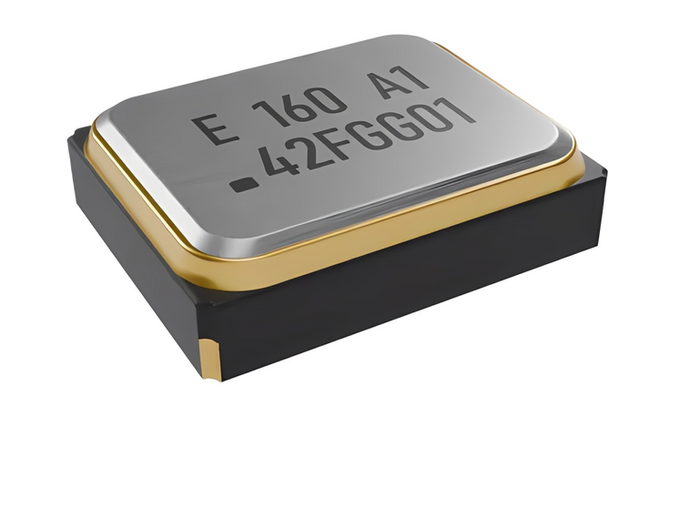
Every electronic system depends on order. Signals must move at the right moment, processors must execute instructions in sequence, communication devices must stay synchronised, and sensors must deliver data at accurate intervals. Clocks, Timing & Frequency Control Circuits make this possible by providing the precise timing signals that guide how electronic components operate. These circuits are often hidden inside devices, but their impact is everywhere. They support stable p

How Do Multiplexer Switch ICs Enable Smarter Signal Control in Advanced Electronics?

Electronic systems today are expected to process larger amounts of information while maintaining compact designs, low energy consumption, and high reliability. Managing multiple signals efficiently has become a major challenge for engineers, especially in applications where space and performance are critical. This is where Multiplexer Switch ICs provide an effective solution by allowing several signals to share a controlled switching pathway. These integrated circuits act as

How Do LVDS Interface ICs Enable Faster and More Reliable Electronic Systems?

High-speed electronic equipment depends on dependable communication between processors, displays, sensors, converters, controllers, and other integrated devices. As systems become faster and more compact, transferring digital information accurately becomes increasingly challenging. Electrical noise, signal loss, electromagnetic interference, timing errors, and power consumption can all affect communication quality. LVDS Interface ICs provide an effective way to overcome many

Why Are Accelerometer Sensors Transforming Motion Detection and Smart Engineering Applications?

Modern technology depends heavily on the ability to measure, understand, and respond to physical changes. From intelligent machines and automated factories to wearable electronics and connected vehicles, accurate motion measurement has become a fundamental requirement. This is where accelerometer sensors provide an essential solution. Accelerometer sensors are advanced electronic components designed to measure acceleration forces and detect changes in movement, direction, spe

Why Are Pressure Sensor ICs Essential in Smart Electronics?

Modern electronic systems rely on accurate sensing to understand and respond to physical conditions. Among the many sensing technologies used today, Pressure Sensor ICs play an important role in measuring air, gas, fluid, and atmospheric pressure with high precision. These compact semiconductor devices are designed to detect pressure changes and convert them into useful electrical data for control, monitoring, safety, and automation. Pressure Sensor ICs are increasingly found

How Do Debuggers, Programmers & In-Circuit Emulators Improve Embedded System Development?

Embedded electronics are at the heart of countless systems used in industrial automation, communications, automotive equipment, smart devices, control panels, medical instruments, robotics, and consumer technology. Behind every successful embedded product is a development process that includes coding, programming, testing, troubleshooting, and validation. Debuggers, Programmers & In-Circuit Emulators are essential tools within this process because they help engineers communic

What Makes Crimp D-sub Connectors a Smart Choice for Professional Wiring?

Crimp D-sub Connectors provide a practical way to connect multiple electrical conductors through one compact and organised interface. They are commonly selected for industrial equipment, communication systems, instrumentation, test devices, automation hardware, and custom cable assemblies where dependable termination and straightforward maintenance are important. Their distinguishing feature is the use of individual crimp contacts rather than permanent soldered terminals. Eac

Why Are IC Sockets & Adapters a Smart Choice for Modern Electronics?

Introduction In electronic design, even small connection components can have a major impact on reliability, serviceability, and long term performance. IC Sockets & Adapters are a strong example of that value. They help integrated circuits fit, function, and remain replaceable in a wide range of assemblies, from prototype boards to industrial control systems. While many buyers focus first on processors, memory devices, and connectors, the role of IC Sockets & Adapters is just

Why Are Bootlace Ferrules Used in Modern Electrical Connections and How Do They Improve Safety?

Understanding the Role of Bootlace Ferrules in Electrical Systems Bootlace Ferrules are widely used in electrical wiring to improve the quality, safety, and reliability of stranded wire terminations. In modern electrical environments, where compact panels and high-density wiring are common, ensuring secure connections is essential. Bootlace Ferrules help achieve this by converting flexible stranded conductors into a stable, single-contact point that fits perfectly into termin

How Do Crimp Pin Connectors Improve Electrical Connection Reliability?

Introduction to Crimp Pin Connectors Crimp Pin Connectors are a fundamental solution for achieving secure and efficient electrical connections in a wide range of systems. Instead of relying on heat or adhesives, these connectors use a controlled mechanical process to bind wires to metal pins, ensuring a stable and conductive joint. Their growing popularity comes from their ability to deliver consistent results, even in demanding environments. Whether used in compact electroni

How Do AV Connector Accessories Improve Audio and Video System Performance?

Audio visual systems have become a vital part of homes, offices, educational facilities, entertainment venues, and industrial environments. While displays, projectors, speakers, and media devices often attract attention, the supporting components behind these systems are equally important. AV Connector Accessories help ensure that every connection remains secure, organised, and reliable. As technology continues to advance, installations now involve larger networks of cables,

How Do Fibre Optic Connector Accessories Improve Network Performance?

Introduction to Fibre Optic Connector Accessories Fibre Optic Connector Accessories are essential components that support the efficiency and stability of fibre optic communication systems. While connectors handle the transmission of light signals, these accessories ensure that every connection remains secure, clean, and well managed. In modern networking environments where speed and precision are critical, Fibre Optic Connector Accessories help maintain consistent performance

Blog: Blog2
  • Facebook
  • Twitter
  • LinkedIn

©2022 by Electronic Components. Proudly created with Wix.com

bottom of page